
Learn MEAN stack with online courses and programs
MEAN stack combines powerful and versatile JavaScript-based technologies that allow developers to create robust web applications. Learn MEAN stack and improve your web development skills with online courses delivered through edX.

What is MEAN stack?
MEAN stack is an open-source, technology stack used to quickly and efficiently create web applications with JavaScript from end to end. It consists of four different components:
MongoDB: A NoSQL, document-oriented database used to store data in a flexible, JSON-like format.
Express.js: A Node framework used to build back-end logic for web applications.
Angular.js: A JavaScript front-end framework used to create the user interface of an application.
Node.js: A JavaScript Runtime Environment (RTE) that makes it possible to run JavaScript on the server side.
MEAN stack differs from MERN stack, another end-to-end JavaScript web development solution, in that it uses Angular for front-end development instead of React.
The MEAN stack is considered a full-stack solution because it provides developers with tools to build a complete web application, from the front-end user interface to the server-side, back-end logic. One of the benefits of the MEAN stack is that it uses a single programming language (JavaScript) throughout the entire stack, which makes it easy to learn and use. The combination of these four technologies provides a robust foundation for developers to create applications with maximum efficiency and minimal time expenditure.1
Browse MEAN stack courses
Browse online MEAN stack certificates
Find new interests and advance your career opportunities
Stand out in your field
Use the knowledge and skills you have gained to drive impact at work and grow your career.
Learn at your own pace
On your computer, tablet or phone, online courses make learning flexible to fit your busy life.
Earn a valuable credential
Showcase your key skills and valuable knowledge.
Certificates















MEAN stack tutorial curriculum
In a MEAN stack course, you can expect to learn about the four core technologies that make up the stack. A MEAN stack tutorial or coding course can teach you how to:
- Query and manipulate data in a NoSQL database with MongoDB
- Use the Express framework to build back-end logic and APIs
- Create the front-end user interface using Angular
- Run the application on the server side with Node.js
- Build a complete web application with the MEAN stack
In addition to these essential lessons, a MEAN stack course may also cover topics such as authentication, deployment, and testing. The content of the course will depend on the specific curriculum or goals of the program you select.
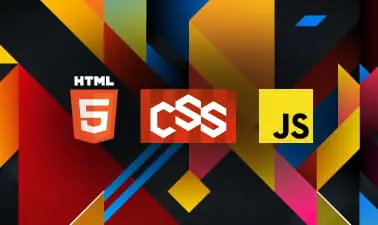
Keep in mind that it may help to have a solid understanding of foundational front-end languages like HTML, CSS, and JavaScript before you start learning MEAN stack. Knowing how to use version control technology like Git to track changes to your code and collaborate with others on projects may also be a helpful skill to have.
You can start developing your technical competencies with a bachelor’s degree program in computer science, software engineering, or a related subject. Alternatively, self-guided boot camps offer a results-driven curriculum, allowing professionals to delve deep into specialized areas of the field and gain in-demand skills useful for tackling everyday challenges. Coding boot camps in particular, can be beneficial to developers. Explore all that edX has to offer.
Explore MEAN stack developer jobs
Explore MEAN stack developer jobs
Knowing how to use MEAN stack can help you pursue a variety of jobs in the web development industry, such as:
- MEAN stack developer: A MEAN stack developer designs and implements the back-end and front-end logic of a web application, connects the application to a database, and deploys it using the four technologies in the MEAN stack. Professionals working MEAN stack development jobs may also be responsible for updating and maintaining the application over time.
- Web developer: A web developer is typically responsible for creating and maintaining websites. These developers design, develop, and optimize websites to ensure they meet user requirements and the latest web standards.
- Full stack developer: A full stack developer is trained to develop both the front-end and back-end components of an application. Full stack developers are skilled in multiple aspects of software engineering, including front-end frameworks, back-end programming languages, databases, and APIs.
- JavaScript developer: A JavaScript developer designs, creates and implements dynamic, interactive websites using JavaScript. JavaScript developers are responsible for debugging code and ensuring website functionality works appropriately across all platforms.
The skills needed for these jobs can be acquired through a bachelor's degree program. However, some senior positions in the field could require higher qualifications like a master's degree. Be sure to review the requirements of the job you’re applying for, as prerequisites and responsibilities vary from role to role.
Overall, MEAN stack is a versatile tool used in a wide range of industries and jobs.
How to become a MEAN stack developer online
Whether you choose to complete a degree program, or enroll in a fast-track coding course, it’s possible to learn MEAN stack online.
Coding boot camps can be an effective way to help jumpstart a career in MEAN stack development. In a typical coding boot camp, you learn essential skills including HTML, CSS, JavaScript, web design, database systems, and other tools such as Git and Visual Studio (VS) Code. Many coding boot camps also provide instruction on fundamental concepts like web development best practices and computer architecture.
As part of a computer science degree program, learners can take classes in a wide range of topics, such as programming, algorithms, data structures, systems software, operating systems, networks and communication, computer organization and architecture, theory of computing, artificial intelligence, and machine learning. Additionally, they may take classes in specific languages, such as Java or C++, and various databases.
Both of these paths teach learners how to use different technologies to create powerful and engaging websites.
More opportunities for you to learn
We've added 500+ learning opportunities to create one of the world's most comprehensive free-to-degree online learning platforms.
MEAN stack FAQ
Frequently Asked Questions
What Is the MEAN Stack? Introduction & Examples. MongoDB.Retrieved January 8, 2023.