

¿Qué se aprende en un programa de grado en educación primaria?
Puede dar a los niños una base sólida para un amor por el aprendizaje que dure toda la vida. Comience su carrera como maestro de escuela primaria con programas de grado en educación primaria en edX.
Escrito por: Nigel Evans, Editado por: Vanessa Wolf
Última actualización: 23 de julio de 2025
Si desea formar jóvenes mentes y ayudarlas a construir una base para el aprendizaje a lo largo de la vida, un programa de grado en educación primaria puede ser un buen punto de partida.
Conozca las filosofías centrales, el currículo y las especializaciones dentro de un programa de grado en educación primaria para ver si puede ser una excelente opción para usted.
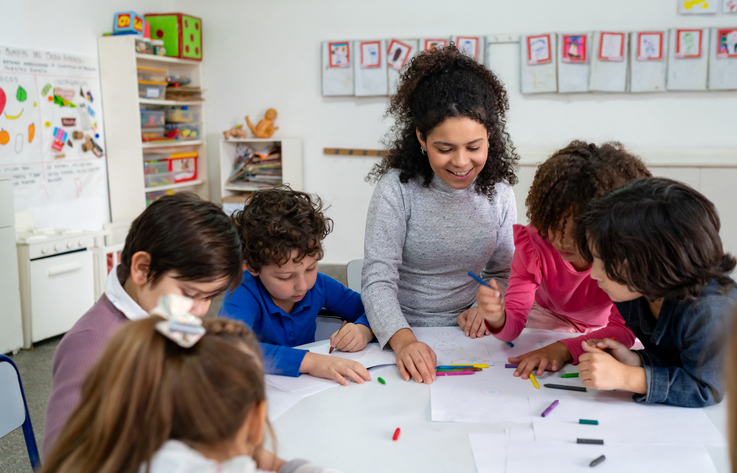
Qué esperar de un programa de grado en educación primaria
En un programa de grado en educación primaria, desarrollará las habilidades y el conocimiento para enseñar desde jardín de infantes hasta sexto grado. El programa se centra en métodos de enseñanza, gestión del aula y desarrollo infantil en varias áreas.
Como parte de la filosofía central del programa, se enfocará en diseñar entornos de aprendizaje atractivos e inclusivos. Además, cumplirá con los requisitos de licencia estatal y adquirirá las habilidades necesarias para fomentar tanto el crecimiento académico como social de sus estudiantes.
Típicamente, una licenciatura en educación primaria se puede completar en cuatro años, requiriendo alrededor de 133 horas de crédito. Los costos de matrícula variarán según su estado de residencia y la institución que elija.
Seleccione entre una variedad de materias de curso como psicología infantil, pedagogía y desarrollo curricular. También puede tener la oportunidad de completar una práctica docente o una pasantía, lo que le brinda experiencia en el mundo real.
Currículo básico de la licenciatura en educación primaria
Este currículo le ayuda a desarrollar una comprensión de las estrategias de enseñanza, instrucciones específicas de la materia, y el desarrollo infantil. El programa le ayuda a prepararse para la enseñanza en el mundo real y equilibra aplicaciones prácticas con aprendizaje teórico.
- Fundamentos de la educación: Este curso cubre la historia, filosofía y sociología de la educación, así como la evolución de las estrategias de enseñanza, y el impacto que las políticas educativas pueden tener en el aula hoy en día. Le ayuda a entender el papel de la educación en la sociedad en general.
- Desarrollo y aprendizaje: En este curso, explorará el desarrollo social, cognitivo y emocional de un niño desde los primeros días hasta la adolescencia. Puede ayudarle a identificar el ciclo de desarrollo, para que pueda adaptar sus instrucciones a las necesidades de varios estudiantes. También aprenderá sobre estrategias para fomentar un ambiente de aula inclusivo y positivo.
- Gestión del aula: Este curso cubre el desarrollo de métodos de enseñanza efectivos, como la instrucción diferenciada o el aprendizaje activo. También enseña técnicas para gestionar el comportamiento en el aula, de modo que pueda establecer expectativas y crear un entorno de aprendizaje de apoyo.
Especializaciones y concentraciones en educación primaria
Algunos programas ofrecen especializaciones para que pueda adaptar su educación a un interés profesional específico. Estos podrían incluir ciencia, tecnología, ingeniería y matemáticas (STEM) para ayudar a preparar a los estudiantes para las tecnologías de hoy.
Alternativamente, podría elegir inglés como segundo idioma (ESL) para ayudarle a apoyar a hablantes no nativos de inglés.
Si se concentra en educación especial, tendrá las herramientas para trabajar con estudiantes con discapacidades, para enfatizar prácticas inclusivas e instrucción individualizada.
Requisitos de graduación para una licenciatura en educación primaria
Para graduarse con una licenciatura en educación primaria, generalmente necesita un semestre completo de experiencia docente de primera mano en una escuela local, trabajando con un maestro mentor.
Algunos programas también pueden requerir un proyecto final o portafolio, centrado en planes de lecciones, evaluaciones o estrategias de gestión del aula.
Es posible que necesite completar un número determinado de horas de crédito, incluyendo clases básicas de educación, cursos de educación general y optativas.
Explore cursos y programas en educación
No hay resultados.