
edX Online

Learn neuroscience

Neuroscience is the study of the nervous system, including the brain, nerves, and spinal cord. The neuroscience field integrates many other disciplines, such as mathematics, psychology, engineering, and medicine. Read on to discover how you can learn neuroscience.

Neuroscience offers fascinating insights into the biology of cognition and human behavior. By learning neuroscience, you can pursue careers in psychology, biotechnology, education, and more.

Learn neuroscience online with flexible educational pathways that fit into your schedule.

Benefits of learning neuroscience

  • You can build a stronger understanding of human emotions, behavioral science, and mental health. This can help you build highly transferable soft skills.
  • Studying neuroscience can broaden your scientific knowledge base and prepare you for diverse careers.
  • If you work in a mental health field, you can apply your neuroscience knowledge to advance evidence-based treatment programs.
  • You can also use neuroscience to inform approaches to professional and managerial development, coaching, and organizational leadership.
  • Neuroscience can give you new insights into yourself, and strong self-awareness is key in any professional field.

Browse online neuroscience Certificates

Find new interests and advance your career opportunities

Stand out in your field

Use the knowledge and skills you have gained to drive impact at work and grow your career.

Learn at your own pace

On your computer, tablet or phone, online courses make learning flexible to fit your busy life.

Earn a valuable credential

Showcase your key skills and valuable knowledge.

Certificates

Related Topics

What can you learn from neuroscience classes?

When you learn neuroscience, you will explore the physical and biological structures that comprise the nervous system. Courses and programs cover topics like:

  • Bioelectricity and its function in human cognition
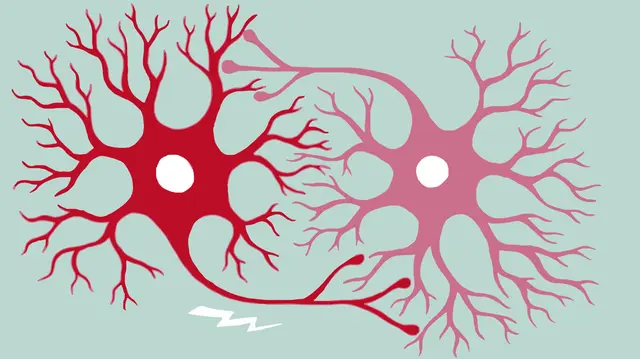
  • Neurons and their role in the brain
  • Neuroplasticity, or the brain's ability to adapt to change
  • Neurotransmitters and the brain's chemical signals
  • Sensory systems and how they function

Coursework may also examine subjects such as the structure of the brain and specific practical applications of neuroscience principles.

How to get started in neuroscience

The best way to advance your neuroscience knowledge depends on your starting point. The following list includes flexible, online courses and programs for students at the beginner, intermediate, and advanced levels.

Beginner: Harvard's Fundamentals of Neuroscience

This three-course series focuses on neurons and how they use electricity to enable brain function. Through interactive simulations, you can explore a Harvard neuroscience lab and learn the fundamentals of neuroscience experiment design.


Intermediate: MIT's Neuroscience for Business

This six-week executive education program focuses on applied neuroscience, its role in enhancing employee engagement, and its many uses in professional development and training.


Expert: Harvard's MicroBachelors® Program in Introduction to Neuroscience

This undergraduate-level MicroBachelors® Program is a good fit for advanced learners and aspiring neuroscience experts. It explores the nervous system's physical structures and their distinct roles in cognitive function.


Jobs that use neuroscience

Discover career paths you can pursue with your neuroscience knowledge, including salary and job outlook data from the Bureau of Labor Statistics.

Neurologist

Neurologists are physicians who specialize in diagnosing and treating conditions affecting the brain, nerves, and spinal cord. They examine patients, assessing their symptoms and creating individualized treatment plans for managing both acute and chronic neurological conditions. Neurologists must earn a medical degree (MD or DO) and obtain licensure in addition to completing an undergraduate program.

  • Median annual earnings (2024): $286,310
  • Projected job growth (2024–34): +5%
Medical scientist

Medical scientists conduct experiments designed to deepen scientific and medical understanding of health conditions. A neuroscience specialization can help you enter research pathways involving brain function, brain injuries, behavior, perception, neurodevelopmental conditions, and degenerative diseases affecting the nervous system.

  • Median annual earnings (2024): $100,590
  • Projected job growth (2024–34): +9%
Forensic technicians

Forensic technicians assist law enforcement during criminal investigations. They use may apply neuroscience principles to collect and test evidence. Most technicians work in lab settings or directly at crime scenes. They may take photographs, record observations, and prepare technical reports.

  • Median annual earnings (2024): $67,440
  • Projected job growth (2024–34): +13%
Clinical laboratory technicians

Clinical lab technicians operate specialized equipment to analyze biological samples, such as blood or other bodily fluids. In a neuroscience setting, they may look for evidence of genetic or neurodegenerative markers that can help doctors accurately diagnose medical conditions.

  • Median annual earnings (2024): $61,890
  • Projected job growth (2024–34): +2%

Your next steps on edX

Learning neuroscience can help you understand the brain and how people function, advance scientific knowledge, and build more engaging and inclusive workplaces. You can start to learn neuroscience today:

  1. Sign up for neuroscience courses or certificate programs.
  2. Build practical, actionable skills with executive education in neuroscience.
  3. Become a neuroscience expert by earning a degree.

More opportunities for you to learn

We've added 500+ learning opportunities to create one of the world's most comprehensive free-to-degree online learning platforms.

    Frequently asked questions about neuroscience courses

    What courses do I need for neuroscience?

    Academic programs in neuroscience typically offer foundational courses in biology, chemistry, physics, psychology, and mathematics. Subject-specific classes include neuroanatomy and neurophysiology, and behavioral and cognitive neuroscience. Depending on your program's structure, you may study these subjects concurrently or consecutively.

    Can I study neuroscience on my own?

    Yes, you can create a self-directed learning program by drawing on free and low-cost educational resources. These may include video lectures, open-source textbooks, neuroscience research studies, and online courses. Some providers also offer massive open online courses (MOOCs) in neuroscience and related fields.

    Where can I study neuroscience for free?

    Some educational institutions offer free MOOCs in neuroscience, which are available on an open enrollment basis. You can also audit neuroscience courses on the edX platform, such as HarvardX's Fundamentals of Neuroscience, without making a financial commitment.

    What careers can I pursue with a neuroscience degree?

    A neuroscience degree can support careers in medicine, medical research, criminology and crime analysis, forensic science, psychology, coaching, business consulting, and many other areas. Some careers in technology may also seek applicants with a background in neuroscience, especially in areas like brain-computer interfacing.

    Is neuroscience harder than psychology?

    Neuroscience is not "harder" than psychology. However, depending on your prior experience, educational background, interests, and aptitude, you may find learning neuroscience challenging. Neuroscience requires the ability to memorize information, parse data, and understand complex scientific concepts. However, with enough time and support, anyone can learn neuroscience.