

Explore the best online robotics courses
Develop in-demand robotics engineering skills with flexible edX courses and programs from top schools and industry leaders.
Key takeaways
- Explore flexible edX courses to build in-demand skills in programming, AI, and engineering for careers across robotics-related industries.
- Build foundations in computer science, linear algebra, calculus, physics, and probability to support robotics design, motion modeling, and decision-making systems.
- Most roles related to robotics engineering pay a median over $120,000 (BLS) with job growth projections in the double digits.
Popular online robotics engineering courses with certificates


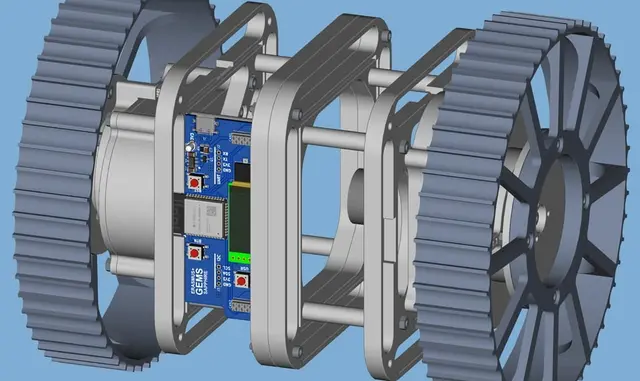





What you'll learn in robotics engineering
Robotics is a branch of engineering focused on creating, developing, and implementing autonomous machines designed to emulate human actions and behaviors.
The study of robotics combines principles from mechanical engineering, electrical engineering, and computer science to create systems that interact with the physical world. Robotics has applications in various career fields, including science, engineering, technology, and mathematics.
Why learn robotics?
Learning robotics can help you:
- Prepare for a stable, high-paying career. According to the Bureau of Labor Statistics (BLS), mechanical engineering jobs, including robotics engineering jobs, are projected to grow by 11% from 2025 to 2035.
- Enter in-demand sectors like artificial intelligence, aerospace, and advanced manufacturing.
- Build skills in coding, electronics, and design thinking, combining technical expertise and creativity.
Browse robotics engineering courses
Browse online Robotics certificates
Find new interests and advance your career opportunities
Stand out in your field
Use the knowledge and skills you have gained to drive impact at work and grow your career.
Learn at your own pace
On your computer, tablet or phone, online courses make learning flexible to fit your busy life.
Earn a valuable credential
Showcase your key skills and valuable knowledge.
Certificates











Careers you can pursue with a robotics background
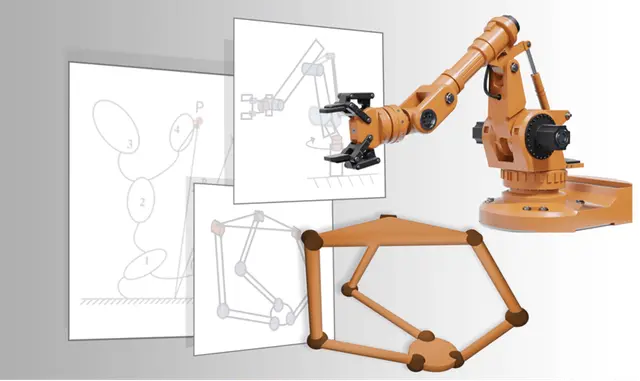
Robotics engineers identify problems, design sophisticated solutions, and redefine what's possible in our world. Robotics engineering skills can be applied to multiple career paths and industries, including construction, manufacturing, healthcare, and aerospace.
Here are a few positions that you may qualify for with robotics experience, along with salary data from the BLS:
Robotics engineer
Robotics engineers research, create, and maintain robots and other automated systems. Responsibilities include designing and testing robotic sensors, programming software, and developing solutions that can improve a machine's performance, safety, and reliability.
While licensure may not be required for every entry-level robotics engineer position, a Professional Engineering (PE) license may be needed as you advance in your career.
- Required education: Bachelor's degree in engineering or a related field from an accredited program and state licensure
- Median annual salary (May 2025): $122,930
Robotics engineer
Robotics engineers research, create, and maintain robots and other automated systems. Responsibilities include designing and testing robotic sensors, programming software, and developing solutions that can improve a machine's performance, safety, and reliability.
While licensure may not be required for every entry-level robotics engineer position, a Professional Engineering (PE) license may be needed as you advance in your career.
- Required education: Bachelor's degree in engineering or a related field from an accredited program and state licensure
- Median annual salary (May 2025): $122,930
Why learn robotics engineering online with edX
edX helps learners around the world grow their skills and careers. Join our learning community today!
Trusted by leading institutions






Steps to get started in robotics
Begin your journey into robotics with flexible edX courses or degree programs that give you the skills you'll need for your future career. Here's what to do:
1. Build foundational math and science skills
Robotics engineering requires a foundational knowledge of:
- Computer science: For programming algorithms and understanding data structures
- Linear algebra: For calculating the forces and motion involved in robotic movement
- Calculus: For modeling motion, velocity, and acceleration
- Probability: For calculating the uncertainty that influences making engineering decisions
- Physics: For understanding mechanical and electrical torque, energy, and circuits
You can develop these skills by enrolling in individual online courses or pursuing a degree program in a relevant field. The right learning path for you depends on your existing knowledge of the above topics, career goals, financial constraints, and schedule.
Featured courses


1. Build foundational math and science skills
Robotics engineering requires a foundational knowledge of:
- Computer science: For programming algorithms and understanding data structures
- Linear algebra: For calculating the forces and motion involved in robotic movement
- Calculus: For modeling motion, velocity, and acceleration
- Probability: For calculating the uncertainty that influences making engineering decisions
- Physics: For understanding mechanical and electrical torque, energy, and circuits
You can develop these skills by enrolling in individual online courses or pursuing a degree program in a relevant field. The right learning path for you depends on your existing knowledge of the above topics, career goals, financial constraints, and schedule.
Featured courses
Choosing the right robotics program for you
Not sure which edX robotics engineering program is right for you? Compare the options below to find a program that fits your current and future goals.