
Learn data lakes with online courses and programs
Data lakes are a critical component of modern data management. Online courses can teach you how to effectively design, build, and manage data lakes.

What is a data lake?
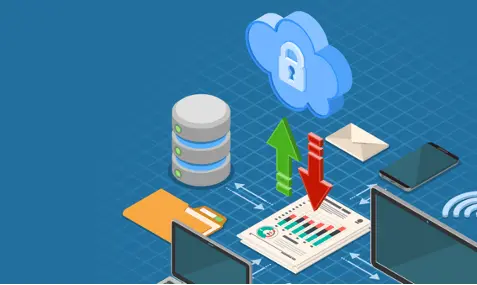
A data lake is a centralized storage repository for storing data in its native format at any scale, while keeping the information both secure and accessible. This includes structured, semi-structured, and unstructured data like images, videos, audio, and documents.
Data lakes allow you to store current and historical data of one or more systems from multiple sources in its raw form, which is essential for today’s machine learning and advanced analytics use cases. Different users can access the data according to their needs and can process the data for analytical and business purposes.1
Browse online data lake courses
Browse online Data Lakes certificates
Find new interests and advance your career opportunities
Stand out in your field
Use the knowledge and skills you have gained to drive impact at work and grow your career.
Learn at your own pace
On your computer, tablet or phone, online courses make learning flexible to fit your busy life.
Earn a valuable credential
Showcase your key skills and valuable knowledge.
Certificates























Related Topics
Data lake course curriculum
Data lake courses can help you develop a comprehensive understanding of data lake management. Introductory data lake tutorials can cover the basics of data lakes, including their purpose, benefits, and architecture. You can also learn how to design and implement a data lake, load data into the lake, and perform basic operations.
Intermediate courses can dive deeper into data lake management, covering advanced techniques for data ingestion, processing, and analysis. You can become proficient in technologies such as Hadoop, Spark, and SQL for data analysis. You can also learn to optimize data lake performance and troubleshoot common issues.
For experienced learners, higher level courses can cover advanced data lake management techniques, including data governance, security, and compliance. You can gain skills in designing and implementing data lake architectures that comply with industry standards and regulations. You can also learn to manage data lake operations at scale, including monitoring, maintenance, and disaster recovery.
Are you interested in working with data in a professional capacity? edX offers a variety of educational opportunities for learners interested in studying data science and data analytics, as well as a host of other disciplines. A boot camp can provide flexible, hands-on learning for those who want to upskill quickly, while executive education courses are designed for busy professionals. You can also pursue a more comprehensive curriculum in a bachelor’s degree program or, for more advanced learners, a master’s degree program. Find the learning path that suits your needs with edX.
Explore data lake jobs
Explore data lake jobs
As a data professional, understanding how to use data lakes can help you advance your career and drive business growth. By leveraging data lakes, you can store and manage data more efficiently, gain valuable insights from your data, and build more accurate machine-learning models.
Knowledge of data lakes can come in handy in a number of roles including:
- Big data engineer: Develop and maintain data pipelines using ETL processes. Big data engineers determine the best ways to store, analyze, and move the data to and from the data lake.2
- Data scientist: Use advanced analytics and machine-learning techniques to extract insights from data stored in the data lake.3
- Data analyst: Analyze data stored in the data lake to provide insights and statistics that stakeholders like company executives can use to inform business decisions.4
- Business intelligence analyst: Use data lakes to create reports and dashboards that provide insights into business performance, like employee productivity and sales quotas. They can use data visualization tools to effectively convey information stored in the data lake.5
Each of these roles will have different education and skill requirements. For example, you may be able to build relevant skills in a data analytics boot camp. However, some employers may seek candidates with a bachelor’s degree in data science. Research potential roles you would like to pursue before deciding on which learning path will align with your professional aspirations.
Data lake FAQ
Frequently Asked Questions
Introduction to Data Lakes. (2023). Databricks. Retrieved May 11, 2023.
Big Data Engineer Job Description Template. (2023). LinkedIn Business. Retrieved May 15, 2023.
Data Scientists. (2023). U.S. Bureau of Labor Statistics. Retrieved May 13, 2023.
Data Analyst Job Description. (2023). Indeed. Retrieved May 15, 2023.
Business Intelligence Analyst. (2023). O*NET Online. Retrieved May 31, 2023.