

Explore the best online history courses
Learn history online with courses from leading universities on edX. Build valuable research and critical thinking skills at your own pace while earning credentials that support your academic or career goals.
Key takeaways
- Build critical thinking, research, and communication skills by studying historical evidence, primary sources, and diverse perspectives.
- Explore flexible online history courses from leading universities and learn at your own pace while deepening your understanding of past civilizations and events.
- Apply historical knowledge to better understand today's political systems, cultural developments, and global issues while developing transferable career skills.
Popular online history courses with certificates




What is history?
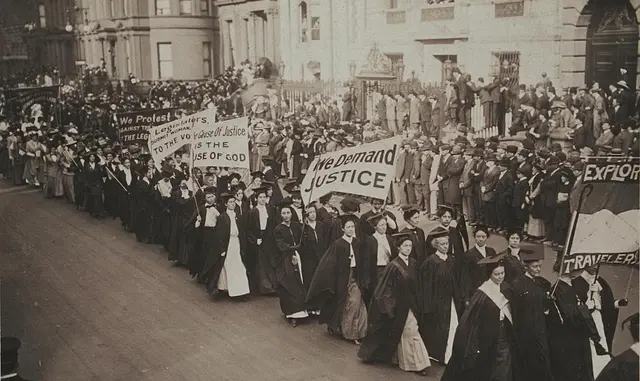
History is the study of past events and the people, cultures, and ideas that shaped them. By examining evidence such as written records, artifacts, and oral traditions, historians uncover how societies have changed over time. Understanding history provides valuable context for today's world and helps people make informed decisions about the future.
Why learn history?
- Strengthen critical thinking: Learn to evaluate evidence, identify bias, and draw well-supported conclusions, skills valued across business, education, government, law, and nonprofit organizations.
- Improve research and communication: Develop the ability to analyze information, synthesize complex ideas, and communicate findings clearly in writing and presentations.
- Build cultural and global awareness: Gain a deeper understanding of societies, historical trends, and diverse perspectives to make more informed decisions and collaborate effectively in today's interconnected world.
Browse online history certificates
Find new interests and advance your career opportunities
Stand out in your field
Use the knowledge and skills you have gained to drive impact at work and grow your career.
Learn at your own pace
On your computer, tablet or phone, online courses make learning flexible to fit your busy life.
Earn a valuable credential
Showcase your key skills and valuable knowledge.
Certificates





Careers you can pursue with a background in history
History knowledge can prepare you for careers across education, museums, government, publishing, and more. Here are a few examples with salary data from the Bureau of Labor Statistics (BLS):
Historians
Historians research and analyze historical data from archives, books, and artifacts to report findings, preserve materials for museums or historic sites, or advise governments, nonprofits, or businesses.
- Required education: Typically requires a master's degree, though some entry-level roles accept a bachelor's degree in history.
- BLS median annual salary (2024): $74,050
Historians
Historians research and analyze historical data from archives, books, and artifacts to report findings, preserve materials for museums or historic sites, or advise governments, nonprofits, or businesses.
- Required education: Typically requires a master's degree, though some entry-level roles accept a bachelor's degree in history.
- BLS median annual salary (2024): $74,050
Why learn history online with edX
edX helps learners around the world grow their skills and careers. Join our learning community today!
Trusted by leading institutions





How to start learning history
Whether you're exploring history for personal enrichment or professional growth, online courses make it easy to get started. Discover history courses from leading institutions on edX and learn at your own pace while building valuable knowledge and analytical skills.
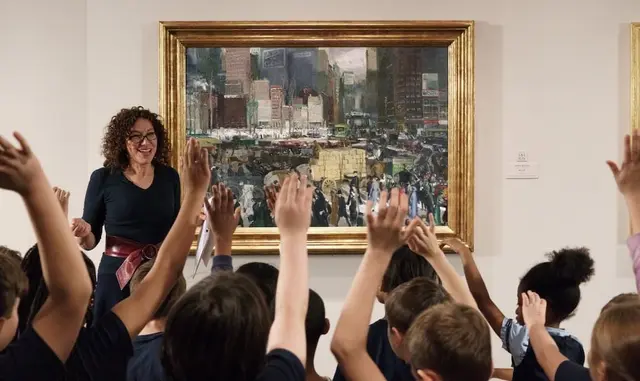
1. Learn how historians examine the past
Learn how historians analyze evidence, interpret primary sources, and uncover the stories behind past events. Building these skills strengthens critical thinking and research while providing a foundation for understanding historical scholarship. Courses in digital humanities and evidence-based analysis can help you develop these essential methods.
Featured courses


1. Learn how historians examine the past
Learn how historians analyze evidence, interpret primary sources, and uncover the stories behind past events. Building these skills strengthens critical thinking and research while providing a foundation for understanding historical scholarship. Courses in digital humanities and evidence-based analysis can help you develop these essential methods.