
Explore the best online Six Sigma courses
Explore Six Sigma courses on edX to build process improvement and quality management skills and prepare for Six Sigma certifications.
Key takeaways
- Six Sigma courses on edX can be completed in as little as four weeks, with longer courses and certificate programs available for more advanced study.
- Six Sigma certification can demonstrate skills in process improvement, quality management, and project work.
- edX offers learning pathways for different experience levels, from introductory Six Sigma courses to Yellow Belt and Green Belt programs.
Popular online Six Sigma courses with certificates





What is Six Sigma?
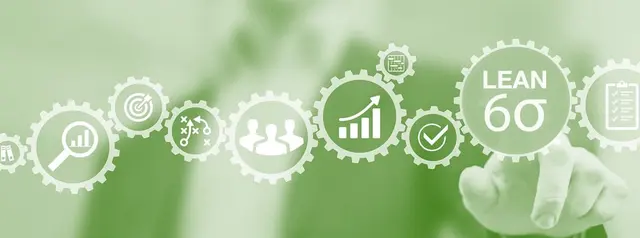
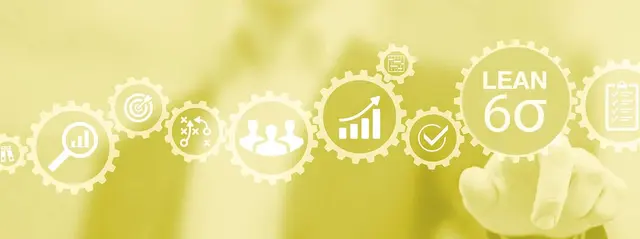
Six Sigma is a process improvement methodology focused on reducing problems and defects in product or service quality. It uses data analysis to identify problems and support measurable improvements.
Six Sigma offers a structured problem-solving framework, statistical tools, and techniques for continuous improvement. Certification levels often use belt terminology, ranging from introductory credentials such as Yellow Belt to advanced credentials such as Black Belt.
Why learn Six Sigma?
- Prepare for a Six Sigma certification that can demonstrate skills in process improvement and quality management.
- Strengthen organizational leadership, quality control, and problem-solving skills.
- Build toward more advanced Six Sigma credentials or pursue an online management degree on edX.
Browse online Six Sigma certificates
Find new interests and advance your career opportunities
Stand out in your field
Use the knowledge and skills you have gained to drive impact at work and grow your career.
Learn at your own pace
On your computer, tablet or phone, online courses make learning flexible to fit your busy life.
Earn a valuable credential
Showcase your key skills and valuable knowledge.
Certificates







Careers you can pursue with a Six Sigma background
Knowledge of Six Sigma can strengthen skills in process improvement, quality management, and operational efficiency. The roles below may draw on related skills; education and wage data come from the U.S. Bureau of Labor Statistics (BLS):
Project management specialist
Project management specialists coordinate all of the budgeting, scheduling, and organizational details of a project and lead their team in carrying out the work.
- Required education: Bachelor's degree
- Median annual salary (2025): $102,320
Project management specialist
Project management specialists coordinate all of the budgeting, scheduling, and organizational details of a project and lead their team in carrying out the work.
- Required education: Bachelor's degree
- Median annual salary (2025): $102,320
Why learn Six Sigma online with edX
edX helps learners around the world grow their skills and careers. Join our learning community today!
Trusted by leading institutions






How to start learning Six Sigma
Six Sigma courses and programs on edX offer knowledge and certification for learners at all levels. Start by identifying your desired professional goals from the steps below:
1. Build a foundation in lean processes, statistics, and project management
Familiarize yourself with Six Sigma's core framework and quality management system methodology. Courses cover the DMAIC (Define, Measure, Analyze, Improve, and Control) process and basic quantitative and qualitative project management skills.
Featured courses





1. Build a foundation in lean processes, statistics, and project management
Familiarize yourself with Six Sigma's core framework and quality management system methodology. Courses cover the DMAIC (Define, Measure, Analyze, Improve, and Control) process and basic quantitative and qualitative project management skills.