

Learn computer hardware with online courses
Are you interested in pursuing a career as a computer hardware engineer? Learn about the physical components of a computer system with courses delivered through edX.
What is computer hardware?
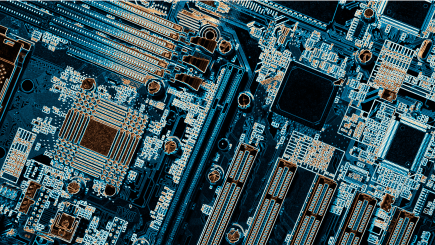
Computer hardware consists of the physical components that make up a computer system. Hardware can be installed both inside and outside a computer and is divided into four main categories: input devices, output devices, processing devices, and storage devices.
Common hardware components that are located inside the computer include the motherboard, random access memory (RAM), central processing unit (CPU), video card, hard disk drive (HDD), and solid-state drive (SSD).1 Computer hardware components that are outside of the computer include the monitor, keyboard, mouse, flash drive, speakers, and external hard drive.
Together, this hardware allows the computer to function. Like many physical objects, computer hardware components can wear over time causing them to fail. You can often replace hardware components to fix the computer without having to replace the entire computer system.
For every software developer out there creating new programs, a computer hardware engineer is building physical systems capable of handling the loads that modern applications need. Build your computer engineering skills to contribute to the next level of computer processing.
Browse online computer hardware courses
Browse online Computer Hardware certificates
Find new interests and advance your career opportunities
Stand out in your field
Use the knowledge and skills you have gained to drive impact at work and grow your career.
Learn at your own pace
On your computer, tablet or phone, online courses make learning flexible to fit your busy life.
Earn a valuable credential
Showcase your key skills and valuable knowledge.
Certificates






















Related Topics
Computer hardware tutorial and course curriculum
Whether you want to pursue a computer hardware engineer job, or simply want to understand how to better maintain and upgrade your computer, a computer hardware tutorial or course can provide an excellent learning opportunity.
Computer hardware courses explore many different concepts. For example, in an introductory computer hardware course, you can learn how hardware like memory, chips, and CPUs work. A course that specializes in quantum computers may explore ways to build and control a quantum computer. Online courses on Internet of Things (IoT) system design will introduce not only how computer hardware functions, but also how the components intertwine with computer software. Learn basic system design and the principles of hardware control, while also building knowledge about computer programming. Get started on your educational journey with edX today.
Explore computer hardware jobs
Explore computer hardware jobs
A career as a computer hardware engineer can be both challenging and rewarding. Computer hardware engineers hold many responsibilities, which can include researching, designing, developing, and testing computer systems and hardware components, such as memory devices and circuit boards. They often work closely with software developers, simultaneously developing the hardware and software that a computer uses to function.2
Computer hardware engineers may hold a bachelor’s degree in computer and information technology, engineering, or a related field. Some specialized jobs may require that applicants have a master’s degree in computer engineering. Taking a boot camp in a related subject may also help engineers develop the skills and acquire the knowledge they will need in their careers.3
How to become a computer hardware engineer
A computer hardware engineer needs certain skills and knowledge to succeed. Analytical, critical thinking, problem-solving, and communication skills are all essential in this role. It’s usually important to be familiar with computer programming, but having a background in math and science can also be incredibly helpful.
Coding boot camps can help provide specialized knowledge to help kickstart your career. To become an entry-level computer hardware engineer, a bachelor’s degree in computer science, computer and information technology, computer engineering, or a related field may also help you meet the requirements of certain employers. And more senior positions may require that applicants hold a master’s degree in fields such as computer engineering, computer science, and data science.
Keep in mind that even after completing a degree program, it’s important to continue your professional development. The world of technology is constantly and rapidly evolving. Successful computer hardware engineers will need to find ways to continuously learn, which can include taking computer hardware training courses that focus on new technologies.
More opportunities for you to learn
We've added 500+ learning opportunities to create one of the world's most comprehensive free-to-degree online learning platforms.
Computer hardware FAQ
Frequently Asked Questions
Everything You Need to Know About Computer Hardware. (2021). Lifewire. Retrieved January 9, 2023.
What Computer Hardware Engineers Do. (2022). U.S. Bureau of Labor Statistics. Retrieved January 9, 2023.
How to Become a Computer Hardware Engineer. (2022). U.S. Bureau of Labor Statistics. Retrieved January 9, 2023.