

Explore the best online data analysis courses
Learn data analysis online with courses from leading universities and organizations. Build skills in Python, SQL, Excel, and data visualization tools.
Key takeaways
- Learn how to make sense of massive datasets through flexible online data analysis courses and programs from edX.
- Choose from several data-centric career paths within industries such as computer and technology, insurance, and scientific research.
- Master introductory data analysis concepts in just a few weeks with comprehensive edX courses.
Popular online data analysis courses with certificates






What is data analysis?
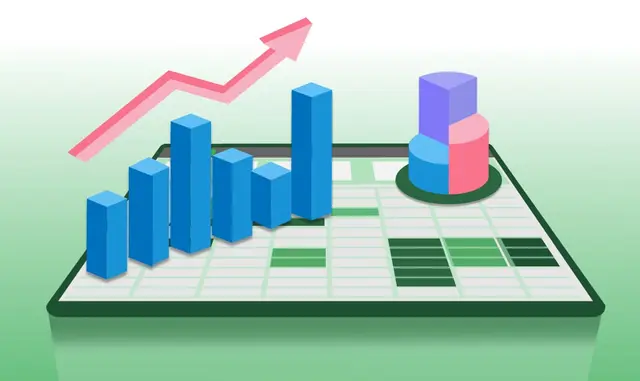
Data analysis is the process of collecting, organizing, and evaluating data to gain insights. Organizations interpret these insights to inform strategic decision-making.
Unorganized data, called unstructured data, doesn't offer much value on the surface. However, structured data in a searchable database allows analysts to interpret information and make predictions based on trends, patterns, and anomalies.
Why learn data analysis?
- Transferable skills: Data analysis skills are valuable across industries. Data analysis and visualization are second only to AI skills with 23% of people ranking them among the most valuable skills for career advancement.
- Growing job opportunities: The Bureau of Labor Statistics (BLS) projects a 35% increase in data analytics and data science jobs from 2025 to 2035.
- High-paying roles: According to BLS data, data scientists earned a median annual salary of $120,230 in May 2025, more than twice the national average for all occupations.
Browse data analysis programs
Browse online Data Analysis certificates
Find new interests and advance your career opportunities
Stand out in your field
Use the knowledge and skills you have gained to drive impact at work and grow your career.
Learn at your own pace
On your computer, tablet or phone, online courses make learning flexible to fit your busy life.
Earn a valuable credential
Showcase your key skills and valuable knowledge.
Certificates









What is the difference between data analysis and data analytics?
While the two terms are often used interchangeably, there are some distinctions:
- Data analysis refers to the methods used to organize (structure) and evaluate the data.
- Data analytics refers to the process of drawing conclusions from this structured data.
Data analysis is a fundamental step in the data analytics process. It involves using data tools like Excel, Python, and SQL, as well as statistical methodology to discover insights. Many people consider data analytics a form of storytelling, where data analysis is the process of uncovering the narrative.
Both data analysis and analytics require strong analytical skills, including data visualization, creativity, and communication.
Careers you can pursue with a data analysis background
The BLS projects high levels of growth in the data analysis field. For example, market research analyst and financial analyst roles are projected to grow by 7% and 7%, respectively, between 2025 and 2035.
Data scientist
Data scientists leverage analytical tools and techniques to derive insights from datasets. They select and structure relevant data, and they often create and update interpretive models and algorithms. Data scientists present their findings using data visualization software.
- Required education: Bachelor's degree (some roles may require a master's or a doctorate)
- Median annual salary (2025): $120,230
Data scientist
Data scientists leverage analytical tools and techniques to derive insights from datasets. They select and structure relevant data, and they often create and update interpretive models and algorithms. Data scientists present their findings using data visualization software.
- Required education: Bachelor's degree (some roles may require a master's or a doctorate)
- Median annual salary (2025): $120,230
Why learn data analysis online with edX
edX helps learners around the world grow their skills and careers. Join our learning community today!
Trusted by leading institutions






Steps to get started in data analysis
Whether you are exploring data analysis or plan to make it your career, edX courses and programs can help you reach your goals. Follow these steps to get started:
If you're weighing further education options, it's worth considering whether a master's in data analytics is worth it for your goals.
1. Explore education options
Depending on your career goals, you can begin with a data analysis course or a full degree program. Individual courses are an excellent way to build foundational skills or deepen knowledge in a specific area. Many introductory courses can be completed in 4 to 12 weeks.
Most professional data analysts hold a bachelor's degree in mathematics, statistics, computer science, or a related field. Others transition into the role with a master's degree in data or business analytics.
Featured courses



1. Explore education options
Depending on your career goals, you can begin with a data analysis course or a full degree program. Individual courses are an excellent way to build foundational skills or deepen knowledge in a specific area. Many introductory courses can be completed in 4 to 12 weeks.
Most professional data analysts hold a bachelor's degree in mathematics, statistics, computer science, or a related field. Others transition into the role with a master's degree in data or business analytics.